

Where Does Radon Enter a Home & Why Levels Change
Posted in Radon Testing, on September 15, 2026
Radon gas is one of the most challenging home issues because it feels very mysterious: without any visible evidence, smell, or short-term effect, you don't know it's present until testing. One of the most common questions SafeAir gets before and after radon detection is how it enters and why levels change throughout the year. Radon can enter your home through many small cracks and gaps in the foundation, and changing temperature and weather can affect how much is present. Here's what homeowners should know about radon testing and how SafeAir can help with professional air quality testing.
How Radon Gets In
 Soil Gas:
Radon gas is produced deep in the earth's surface and floats to the surface through microscopic gaps in soil. Areas with looser soil or certain combinations of minerals may experience more radon contamination because of these factors.
Foundation Cracks:
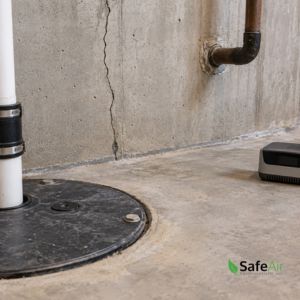
Radon will enter your home through cracks and gaps in your foundation. Foundation damage is a red flag and should trigger radon detection regardless of the age or location of your home.
Sump Pumps and Drains:
Any gaps or holes in your building envelope can introduce radon to your home, making sump pumps and drains a common entry point. These can be capped, or filters can be used to reduce exposure.
Pressure Differences:
Basements, crawl spaces, or other sub-grade rooms are those most frequently affected by radon gas. This is because sub-grade spaces create a pocket of negative pressure in the ground that effectively acts like a vacuum, sucking radon towards your home through cracks, pumps, and other gaps.
Why Radon Levels Change
Weather:
Over a year, changing weather, temperature, and barometric pressure affect how you use and heat your home, and this in turn affects radon levels. Seasonal shifts also affect how radon moves in the ground and dissipates in the atmosphere.
Building Changes:
Renovations or changes to your home can cause radon levels to spike as airflow patterns change. Some building materials, like stone, may contain radon gas, too.
Landscape Changes:
Changes to the environment around or near your home may cause radon movement shifts that increase (or decrease) your risk.
Long-Term Radon Measurement
If you've never had your home tested for radon gas, you can start the process today by calling the SafeAir team. Radon testing is a very simple and straightforward process. We'll come to your home for a short visit and install a long-term radon testing unit. No larger than a fire alarm, this unit passively samples air for a 3-6 month period.
This testing length is necessary for accurate and reliable results, since it helps even out changes caused by weather, construction, or landscape movement. When the testing period is complete, we'll return to remove the device and send it to a third-party lab for analysis.
When your results are in, we'll create an easy-to-understand report that shares what we've found. If your home tests above Health Canada's 200 Bq/m3 limit, we'll suggest your next steps for radon mitigation, so that you can protect you and your family's long-term health and wellness.
Book Radon Testing Today!
Radon detection can have a positive effect on your long-term respiratory health. Exposure to radon is recognized as the leading cause of lung cancer in Canadians after tobacco smoke; the Canadian Cancer Society reports that it damages the cells that line the lungs and is the most common cause of lung cancer diagnosis in non-smokers.
https://cancer.ca/en/cancer-information/reduce-your-risk/know-your-environment/radon
Keeping you and your family's indoor air environment safe is what we do at SafeAir. To learn more about radon gas or book a time for your test, call or email us and speak to a member of the team.