

Can Radon Levels Change After You Finish or Renovate A Basement?
Posted in Radon Testing, on October 16, 2026
After a renovation or changes to its layout, basement radon levels can shift, changing the risk radon gas poses to you and your family. SafeAir can help you manage change with safe and effective radon air quality testing. If you have previously had a radon test and are renovating, or have never tested before, professional radon detection can help you make informed decisions that will have lasting effects on your family's health and safety. In this article, we'll introduce you to some of the reasons why radon levels change with basement renovation and how professional radon testing can help.
Why Radon Changes After Renovation
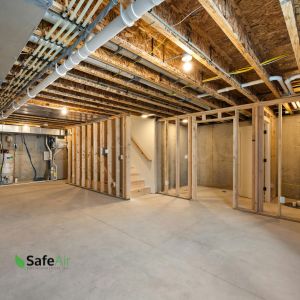 Radon gas comes from deep within the earth and usually enters homes through the basement or sub-grade levels, so it stands to reason that any changes to its layout, basement radon levels can shift, changing the risk radon gas poses to you and your family entry point will affect the quantity and buildup of it in your home. While positive changes (the reduction of radon gas) are possible, an increase in radon is equally as likely.
Renovations improve the physical characteristics of your basement, making it more comfortable and useful. But these changes may also affect the foundation, sealing, and the way air moves around, all elements that influence radon gas.
Building Conditions And Radon
The age and condition of your home do have some bearing on whether or not you are likely to have radon gas, but there are too many variables in radon detection to provide blanket statements about risk. Radon testing is the only true way to know whether you are at risk, since there are no signs or symptoms of exposure. For example: older homes are more likely to have cracks and gaps in the foundation that allow radon entry, but these homes often have greater airflow too, which may help disperse the gas. The only way to know is to test, so you can make changes that have a positive effect.
How Radon Testing Works
Radon testing is a straightforward assessment that takes place over a 3-6 month period. At SafeAir, we begin with a conversation about your needs, your home, and any changes that have, or will, take place in the near future. Next, we'll place the testing device during a short in-home visit. This device resembles a fire alarm but makes no noise and works passively. For several months it will take readings of your home's indoor air quality for radon gas. At the end of the testing period, we'll return to deinstall the testing device, before sending it to a third-party lab for analysis. Our easy-to-understand report will be shared with you as soon the results are in, after which we can help answer any follow-up questions.
Radon Detection with SafeAir
Radon detection can be done year-round and performed concurrently with services like indoor air quality testing. It's a safe and effective way to measure your risk of radon exposure and is especially valuable if you are planning to renovate and use your basement as living space or turn it into a rental unit. The SafeAir team has over a decade of experience helping families create safe and healthy homes through environmental assessments like air quality testing, mold testing, and radon testing. To learn more about radon and renovations, contact our team today.