

Why Does Indoor Air Quality Get Worse When a Home Is Closed Up?
Posted in Air Quality, on September 18, 2026
When returning from a vacation, it's common to notice a strange smell when you open the door. This odour is due to a reduction in your indoor air quality caused by restricted airflow, higher humidity, and a build-up of particles. This can happen during our daily routine too, but it's more noticeable when we've been away. At SafeAir, we offer indoor air quality testing, radon testing, and more to help improve and eliminate poor air quality days at home, whether you're on vacation or wish to improve air quality and safety.
Here are a few causes of poor air quality and how our team can help.
Seasonal Ventilation
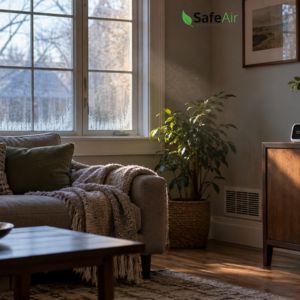 Buildings can develop odours when there is reduced ventilation. During the spring, summer, and fall, homes naturally have greater ventilation from open windows and doors, but when the seasons change, our homes tend to close up to prevent heat loss. Fresh air is an essential part of a healthy home, and during the winter, air quality problems can develop due to this reduction in ventilation.
Humidity
One of the most common assessments we do at SafeAir is a humidity test. Humidity, or airborne moisture, often goes hand-in-hand with lingering odours and can be a cause of other odour-causing issues, like mold growth. Keeping indoor humidity balanced at 50% promotes healthy indoor air quality.
Combustion
If you use a fireplace during the winter, you can inadvertently cause a rise in harmful PM2.5 particulate matter in your home. Eliminating or modernizing your wood-burning appliances will help ensure you prevent particulates from building up indoors.
VOCs
Volatile Organic Compounds, or VOCs, are molecules that become airborne at room temperature. They're produced naturally (such as when you zest a lemon) as well as chemically, and it's this latter category that can cause strange odours and air quality pollution.
Filtration
In a Canadian winter, the furnace runs for 6 months or more, and if you're not changing your filter frequently, you can experience a buildup of dust and particles that can affect the furnace as well as your air quality.
Source Control
Indoor pollution starts somewhere, making source control an important element of overall air quality. If you are making improvements that might cause airflow changes or construction dust and debris, containing these activities can improve air quality.
How to Test Air Quality When Concerns Persist
SafeAir's role is to test and inspect your home for air quality issues or factors that lead to persistent air quality issues. Our rigorous indoor air quality testing protocol looks at factors like ventilation, filtration, humidity, combustion, and many more to uncover and map how your home responds to seasonal change. If you notice strange odours, an increase in respiratory symptoms like coughing or congestion, an increase in dust, or discomfort at home, the culprit could be an indoor air quality issue.
To book air quality testing or learn more about how things like seasonal changes, humidity, airflow, or renovations can affect your home air quality, please get in touch with the SafeAir team to learn more about how we can help. We're available by phone or email, and provide prompt, friendly service throughout Toronto and the GTA.