

What Indoor Air Quality Reveals About Your HVAC System
Posted in Air Quality, on July 17, 2026
Residential or commercial indoor air quality testing can reveal surprising elements that affect your day-to-day comfort and health. SafeAir’s air quality testing often brings to light unseen HVAC issues affecting air quality in your home that are causing allergies, reducing your system’s efficiency, and can lead to other issues, like mold growth. The results from indoor air quality assessments provide science-based answers that we’ll help you interpret and solve for healthier, safer home air quality.
How Your HVAC System Affects Airborne Contaminants
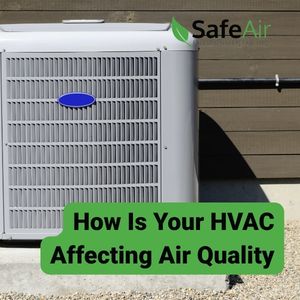 Most homeowners don’t know the ins and outs of the HVAC — only that it works, and hopefully without any major repairs! Your HVAC system comprises of several parts and machines that create and deliver warm or cool air throughout your home. If one element of this system is broken, off, or contaminated, it can continuously circulate dust, dander, or pollution throughout your home.
Air quality testing can help you narrow down where there is a problem and if your HVAC is affected. For example: poorly maintained filters or ductwork can channel mold spores from a basement infestation to a second-floor bedroom. During testing, the SafeAir team can trace this route of contamination and make recommendations to solve and eradicate the problem.
What Testing Can Reveal About Filtration and Ventilation
Elevated particulates detected during indoor air quality assessments often indicate that filters are not being changed or cleaned regularly enough. A dirty filter cannot capture fine dust, pollen, or pet dander effectively, and this reduced ventilation can circulate greater quantities of these particles and reduce the fresh air in your home.
Various individual elements affect filtration needs and requirements. At SafeAir, one of the first things we check is your filters, and our air quality testing results may include a recommendation for what filter density you may like to use, or a cleaning and maintenance schedule.
Signs of HVAC-Related Air Quality Problems
Uneven Air Quality: When we detect an uneven distribution of pollutants between rooms, this can suggest a localized problem or HVAC-related issues like a duct leak or poor airflow.
Persistent Odours: A distinct smell or lingering cooking odours can indicate issues with ventilation or airflow.
Dust Buildup: One of the clearest signs of HVAC issues is dust buildup around vents. This suggests that your HVAC system is circulating contaminants rather than removing them.
Assess Your HVAC and Air Quality with SafeAir
Air quality testing is a science-based method for assessing and diagnosing air quality pollution. At SafeAir, we follow the latest industry-standard methodologies and testing protocols to ensure our testing and results are as accurate as possible. Over fifteen years of experience have shown us just how frequently HVAC issues can affect the flow and buildup of pollutants at home. Whether you need residential or commercial indoor air quality testing, our team can provide insights that help improve filtration, ventilation, and your overall indoor air environment for a healthier and safer place to live or work. To speak to a team member or inquire about having your property assessed, contact SafeAir by phone or email today.