

Why Lakeside Homes in Port Credit Face Unique Radon Pressure
Posted in Radon Testing, on May 06, 2026
The neighbourhood of Port Credit, Mississauga, has all the qualities of a great community: friendly neighbours, proximity to Toronto, and a gorgeous slice of Lake Ontario. But many homeowners living close to the lake discover something surprising when doing radon testing in Mississauga: high radon levels. Lakeside homes in Port Credit often have higher-than-average radon levels that are caused by a range of factors. SafeAir offers comprehensive indoor air quality testing services that can help you test for radon as well as other common air quality issues that manifest because of proximity to water. While every property is different, here are some of the things we’ve learned about radon testing in Mississauga over the years.
What is Radon?
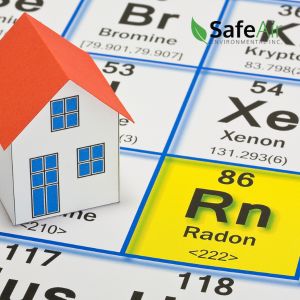 Radon gas is a naturally occurring radioactive gas that is formed deep within the Earth. It is colourless, odourless and tasteless, and seeps into homes through cracks in the foundation, flooring, or around pipes, cables and drains. Radon gas is harmless in small quantities, but it can become concentrated indoors, becoming hazardous to human health.
Two Reasons Why Your Lakeside Home is at Risk of Radon
There are two primary reasons why lakeside homes are at an increased risk of high radon levels.
Soil and Geological Conditions Near the Lakeshore.
Looser or sandy soil near lakes, rivers, and ponds allows greater radon movement through the earth’s surface. When soil erodes or shifts, it can cause damage to your foundation or change the flow of radon gas through the earth. Other geological conditions that influence radon pathways include underground water movement and rock makeup, as some rocks naturally contain small amounts of uranium.
Pressure Difference in Waterfront Microclimates.
If you already live in Port Credit, you know that the weather can be very different from that of your friends or family living in other parts of Mississauga. Microclimates are something we take into consideration during indoor air quality testing. Microclimates can cause greater levels of humidity, precipitation, and temperature changes, and air pressure fluctuation from shifting weather can draw soil gases, like radon, into basements and crawlspaces. During the colder months, when our homes are sealed tightly, this effect can be magnified.
Professional Radon Testing and Mitigation
Because the symptoms of radon exposure develop very slowly, it’s difficult to know if you’re being exposed. Radon gas primarily affects the respiratory system, causing irritation, inflammation, and cellular damage that makes it the leading cause of lung cancer in non-smokers.
The severity of this indoor air quality issue can’t be underrated — but the good news is that professional radon testing in Mississauga can help! At SafeAir, we use long-term radon testing devices and gold-standard industry testing guidelines to provide you with clear, actionable results.
Routine testing can help account for lakeside changes, microclimate issues, and identify unique features that affect your property and increase your radon risk. If your home tests positive for elevated radon levels, our detailed report will suggest mitigation strategies and changes that can dramatically cut or eliminate your risk. To book radon testing in Mississauga or learn more about indoor air quality testing, call or email the SafeAir team to speak to a technician.